









Halal holiday is a loose term, and travel companies use it to mean very different things. For some it means a resort with no alcohol at all and separate pools for women. For others it simply means halal food nearby and a mosque within walking distance. Below we explain what you can realistically expect in each of our six destinations, the questions worth asking before you book, and how we build a quote around your family rather than a fixed brochure package.
What does a halal holiday mean in practice?
In practice, a halal holiday is one where you do not have to compromise your faith to relax. That usually covers five things, and different families care about each one to a different degree.
- Halal food: meals you can eat without asking questions, ideally from a certified kitchen
- Prayer-friendly plans: days that leave room for the five prayers, with a prayer mat, qibla direction and a mosque nearby for Jumu'ah
- Alcohol-free options: hotels or restaurants that serve no alcohol, where these exist
- Modest swimwear areas: women-only pools, private villas or beaches where a burkini is normal
- Family focus: places where children are welcome and the atmosphere stays wholesome
No destination ticks every box everywhere. Our job is to tell you honestly which ones it does tick, and to choose hotels and plans around the boxes that matter most to you.
How sure can you be about halal food abroad?
It depends on the country. In Malaysia, halal certification is run by the government's Islamic development department, JAKIM, and its logo appears on restaurants, hotel kitchens and supermarket food, so you can eat almost anywhere with confidence. Turkey and Morocco are Muslim-majority countries where meat is halal by default in most local restaurants.
Dubai is similar, with halal meat the norm, though many hotels also serve alcohol and pork-free is not the same as halal certified. The Maldives is a Muslim country, but resort islands cater for international guests, so we ask each resort how its kitchen handles halal food before we recommend it.
Our advice is to ask one clear question: is the kitchen certified, or does it only buy halal meat? We check this for the hotels on your quote and tell you the answer in writing.
Prayer, mosques and Jumu'ah while you travel
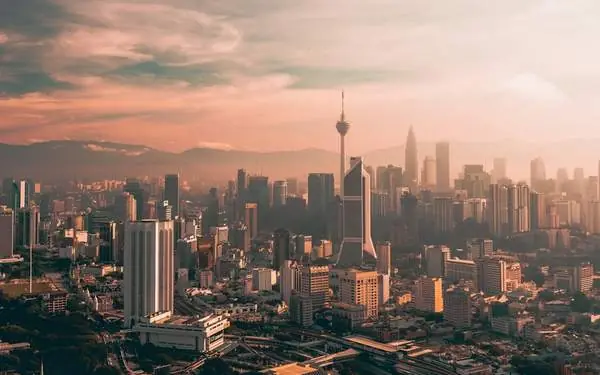
All six destinations make prayer easy, because the call to prayer is part of daily life in most of them. In Istanbul you are rarely more than a few minutes from a mosque, and Bursa's Grand Mosque is one of the great buildings of the early Ottoman era. In Kuala Lumpur, shopping centres usually have a surau, a small prayer room, with wudu facilities.
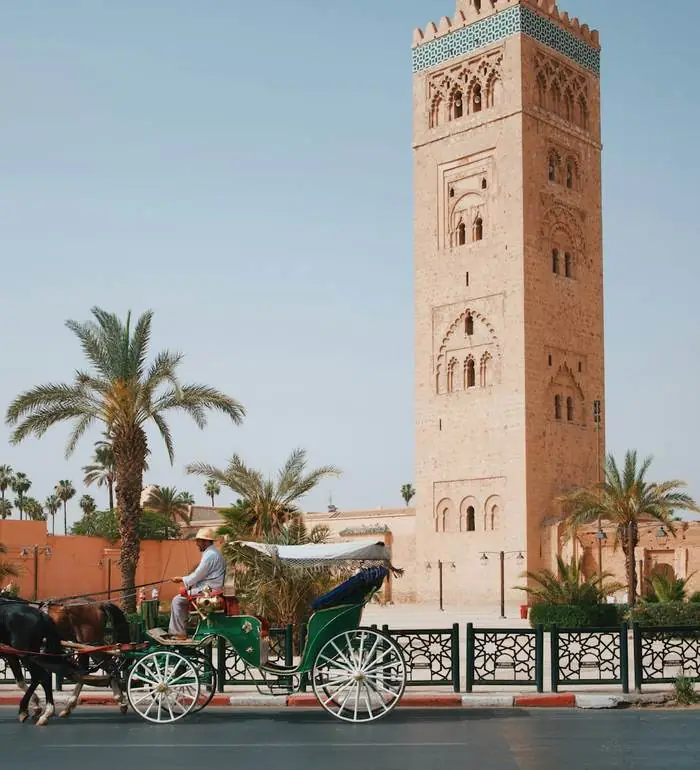
We plan sightseeing around prayer times rather than the other way round. A day tour in Marrakech, for example, can pause for Dhuhr instead of rushing through it, and we avoid long excursions on a Friday morning so that men can attend Jumu'ah.
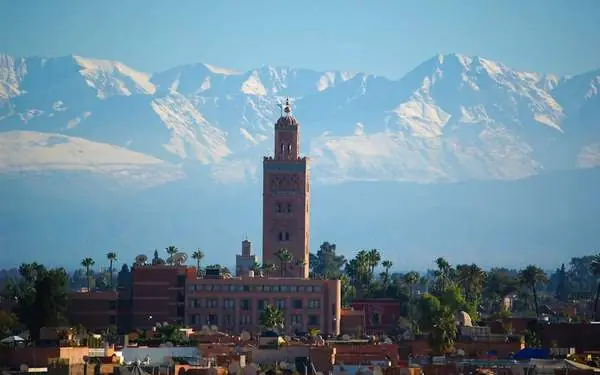
On a Maldives resort, prayer usually happens in your villa. Pack a compass app and a travel mat, and ask us to request a qibla marker for the room. In Dubai, many hotels place a qibla sticker in each room as standard, and malls have well-kept prayer rooms. Marrakech has mosques in every quarter of the medina, though most are open only to Muslims, which makes a quiet Asr prayer between the souks easy for our guests.
Alcohol-free stays and modest swimwear: what to expect
Fully alcohol-free hotels exist in some destinations, but not all, and they are not always in the best location. Turkey has a well-developed market of halal-friendly resorts with women-only pools and spa times, mostly on the coast rather than in Istanbul itself. Dubai has a handful of dry hotels, and Malaysia has many, especially away from the big international chains.
In the Maldives and most of Dubai's beach resorts, alcohol is served. The practical answer there is a villa with its own pool or a quieter beach, where you are not sharing space with other guests. Burkinis are common at many Dubai and Malaysian pools, but rules differ by hotel, so we check before you book.
Tell us which matters more to you: no alcohol anywhere on site, or private swimming. The best choice often differs between those two goals.
Our six halal holiday destinations at a glance
| Destination | Approximate flight from London | Most comfortable months | Best suited to |
|---|---|---|---|
| Istanbul and Bursa | About 4 hours direct | April to June, September to October | History, mosques, food lovers |
| Dubai | About 7 hours direct | November to March | Families, shopping, winter sun |
| Kuala Lumpur and Langkawi | About 13 hours direct to KL | Year-round in KL; Langkawi driest around December to March | Halal food, nature, longer trips |
| Marrakech | About 3.5 hours direct | March to May, October to November | Short breaks, culture, riads |
| Maldives | About 10 hours direct or longer via a Gulf hub | December to April | Couples, honeymoons, privacy |
| Umrah plus Istanbul | About 6 hours to Jeddah, plus Istanbul | Outside Ramadan and the Hajj closure | Worship followed by a family break |
Flight times are approximate and vary with the airline, route and UK departure airport. Your quote shows the real flights.
What is each destination like for a Muslim family?
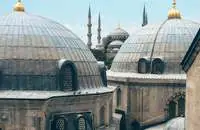
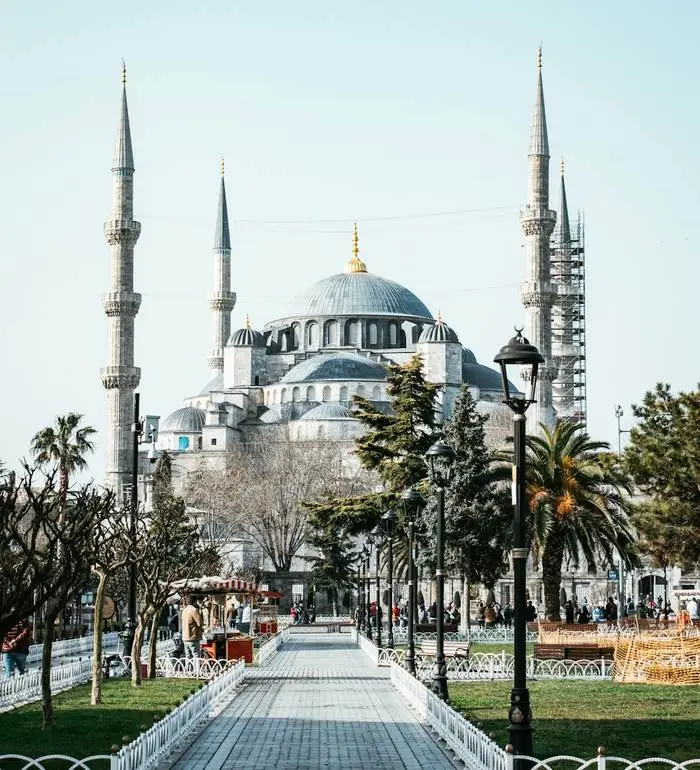
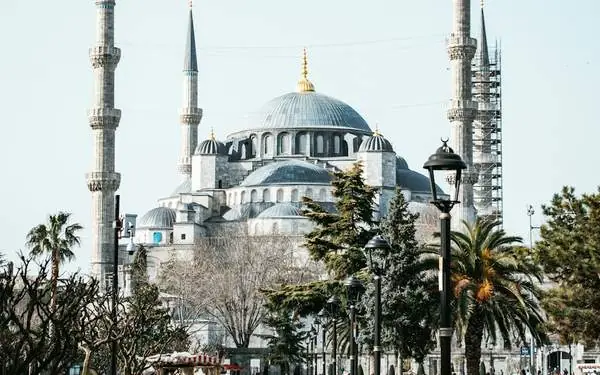
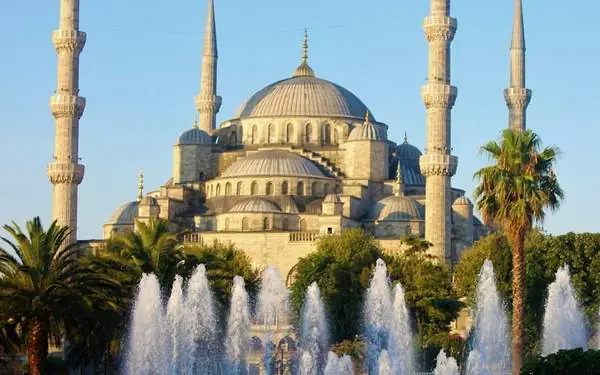
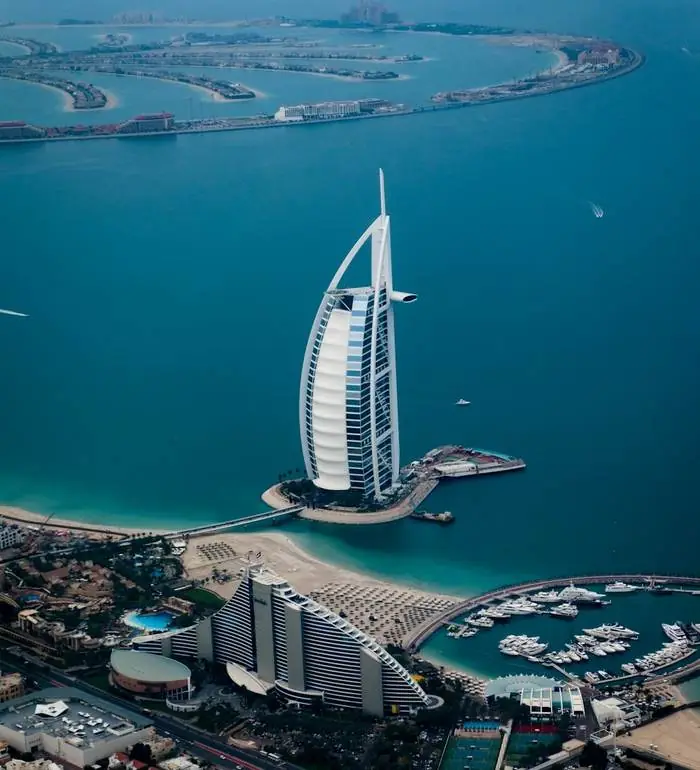
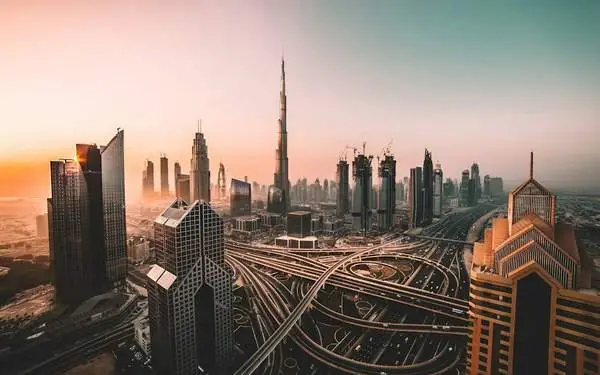
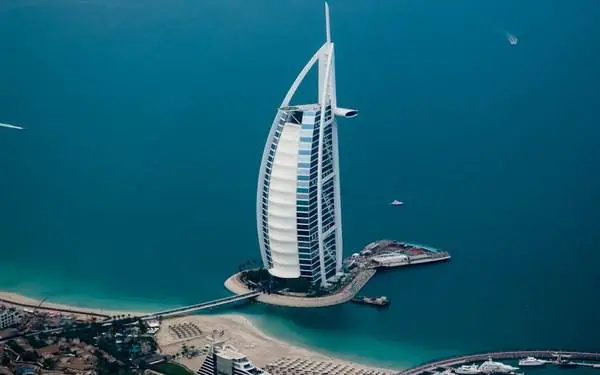
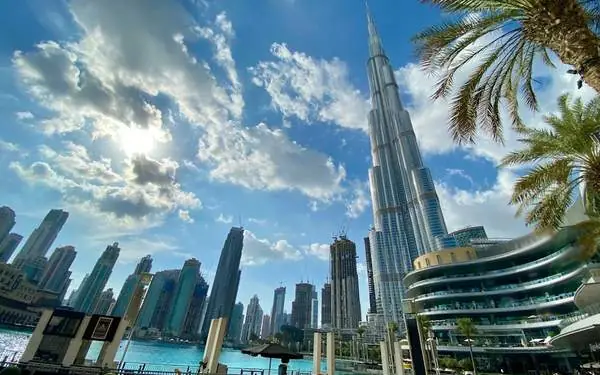
Istanbul and Bursa combine the Blue Mosque, Hagia Sophia and the Bosphorus with Bursa's quieter Ottoman streets and the mountain air of Uludağ. Dubai offers winter sun, theme parks and desert trips with halal food everywhere, and is a natural stopover on many flights east.
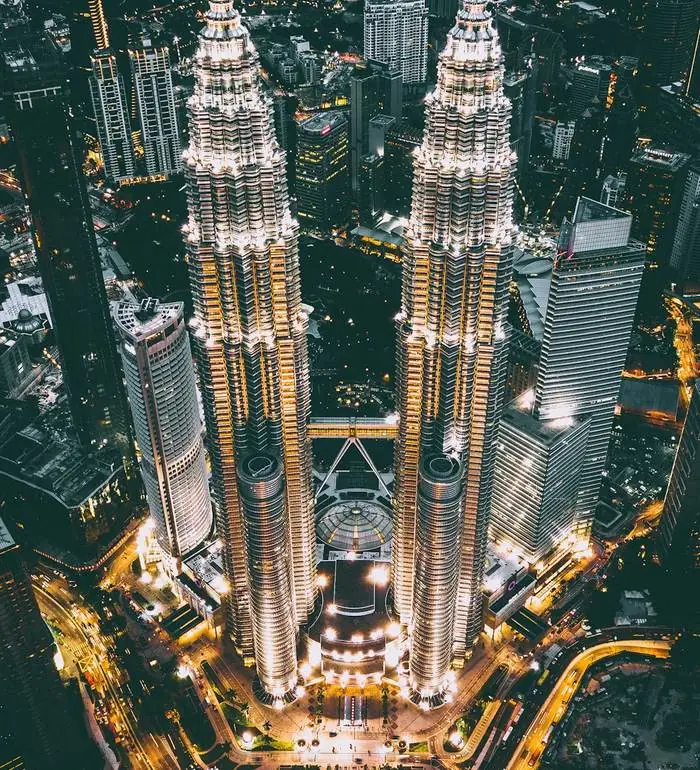
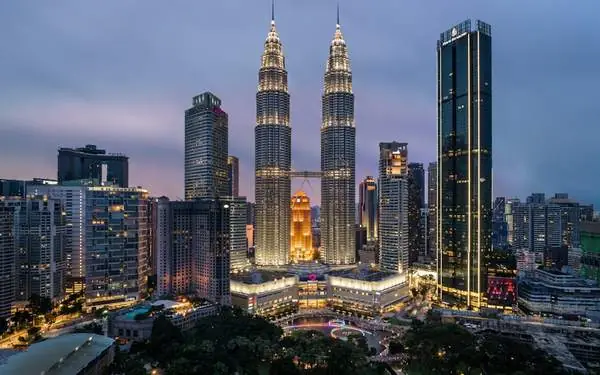
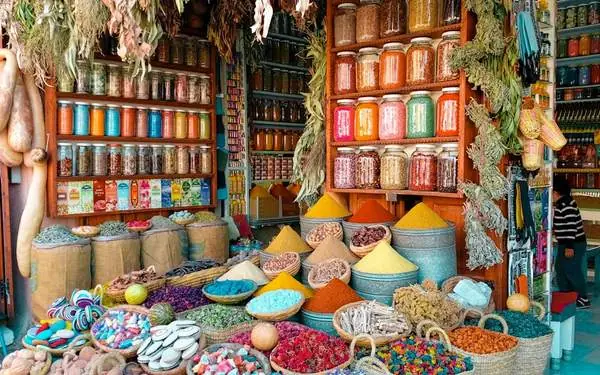
Kuala Lumpur and Langkawi give you a Muslim-majority city with superb street food, then island beaches and rainforest. Marrakech brings souks, gardens and riads within a short flight, and suits a long weekend or a half-term break.
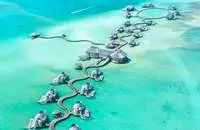
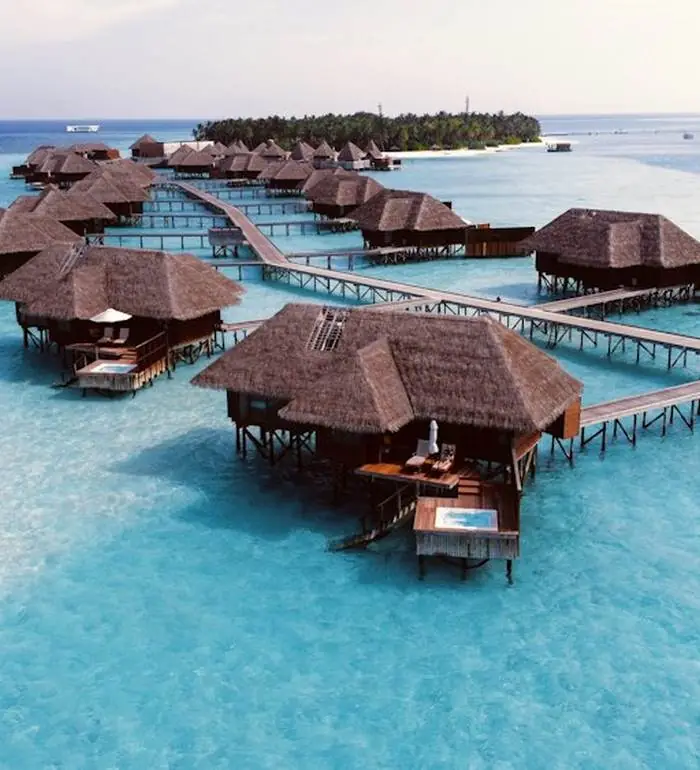
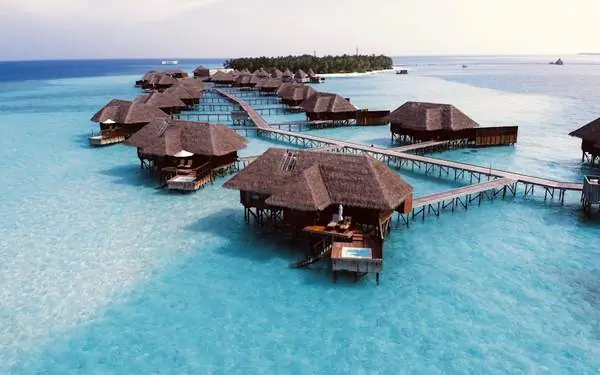
The Maldives is for privacy and the sea: overwater villas, reefs and very little to do except rest. Umrah plus Istanbul lets you perform Umrah first and then spend a few days in Turkey on the way home, so the children get a holiday after the worship.
How to choose by season
Choose by season first, because heat shapes every halal holiday more than anything else. Dubai and Marrakech are pleasant in a British winter and very hot in July and August, when outdoor sightseeing becomes hard work.
Istanbul is at its best in spring and early autumn; summer is hot and busy, and winter is cold and wet, though cheaper. Kuala Lumpur is warm and humid all year with frequent short downpours, while Langkawi is generally driest from around December to March. The Maldives is driest from around December to April, with the wetter southwest monsoon from roughly May to October.
Ramadan changes things too. Ramadan 2027 is expected to begin around 8 February, subject to moon sighting, and a holiday in Istanbul or Kuala Lumpur during Ramadan means vibrant iftars but shorter opening hours by day.
Choosing by flight time, budget and family needs
If you have young children or only a week, keep the flight short. Marrakech and Istanbul are both under five hours from London, while Kuala Lumpur and the Maldives are long-haul and work better for 10 nights or more.
Budget depends far more on dates, hotel grade and room type than on the destination's reputation. A Maldives villa in February can cost several times a Marrakech riad, but a Dubai trip in August can be cheaper than Istanbul in May. That is why we do not publish fixed prices for holidays: we price your exact dates instead.
For families, check four things: connecting rooms or suites, kids' activities without music-led entertainment, a pool where mothers can swim comfortably, and short transfers. Grandparents travelling with you may need lifts, ground-floor rooms and fewer hotel changes.
Can you combine a holiday with Umrah?
Yes, and it is one of the most popular trips we arrange. The usual pattern is Umrah first, while everyone is fresh, then three to five nights in Istanbul on the way home. Pilgrims flying via Istanbul to Jeddah already pass through Turkey, so the stopover adds little extra flying.
Plan the Umrah part around the Saudi calendar. Based on last season's rules, international Umrah stops around mid-Shawwal until after Hajj, so combined trips work best from autumn to early spring. See our tailor-made Umrah page for longer stays and custom routes.
Dubai works as a combination too, since many connections to Jeddah already run through it. A few nights there after Umrah suits families travelling in winter, when the desert weather is mild. Whichever stopover you choose, remember that Ihram rules apply only from the Miqat onwards, so the holiday leg is best placed after Umrah rather than before it. Our first Umrah guide explains why.
How do tailor-made halal holiday quotes work?
You tell us where, when and who; we come back with a written quote for your exact dates. Send your preferred destination, travel dates, departure airport, number of adults and children (with ages), and what matters most, such as alcohol-free, private pool or halal-certified kitchen. You can use the quote form, call 07311 130757, message us on WhatsApp or email info@rawdhahtoursltd.co.uk.
Your quote names the flights, hotel, room type, board basis, transfers and any tours, with the total price. We can adjust it until it fits, and payment is by bank transfer, with instalments possible before travel. Nothing is booked until you confirm.
Holiday packages that include flights may carry ATOL protection (ATOL 11203), but not every service we arrange is covered, and a booking with no ATOL Certificate is not ATOL protected. Ask us to confirm the protection on your holiday before you pay, and see our ATOL information.